A staircase is more than just a way to move between floors. It also affects how a space feels and works every day. When planned well, Staircase Elements can bring comfort, strength, and a clean look together in a way few features can. They guide how people move around the home, creating a smooth flow that may not always be noticed but is always felt. A well-designed staircase supports daily use and long-term needs, making it an important part of any home.
From the way each step supports your stride to how the structure matches the space around it, every detail plays a role. The right setup improves safety and helps the home feel more complete. When executed with care, it subtly draws the eye, integrating seamlessly. Instead of clashing, it contributes equilibrium, a hint of flair, and a polished look, all while remaining unobtrusive.
The Foundation of Safety: Structural Staircase Elements
The structural integrity of a staircase is fundamental to safety, with the primary elements of the structure necessitating coordinated function. A robust construction minimizes potential hazards and streamlines everyday use, especially in residences accommodating children or the elderly. Thoughtful planning ensures that every component contributes to effortless and secure movement.
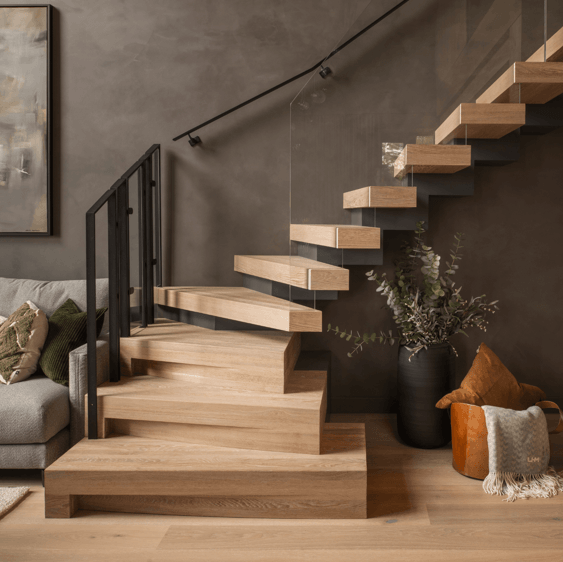
The treads and risers can control the depth and height of each step, thus making it easier and safer to walk. Stringers make the staircase firm and stable. Handrails provide balance, and balusters are for safety without altering the appearance.
Non-slip coatings offer a practical solution for improving traction, especially where foot traffic is heavy, thereby reducing the risk of slips and falls while maintaining the original aesthetic. Thoughtfully designed staircase components, crafted with care, create a robust and stable framework that withstands everyday wear and tear, avoiding a cluttered or awkward look. This approach ensures that steps are safe for everyone in the household.
Enhancing Visual Appeal Through Design Integration
A well-designed staircase fits right into the home instead of standing apart. When the materials, finishes, and details match the overall interior, the space feels balanced, complete, and comfortable to move through every day.
Material Selection
Wood adds warmth, metal brings a modern touch, and glass creates a lighter, more open feeling in the space.
Color Coordination
When the staircase color harmonizes with adjacent walls or flooring, it creates a sense of visual unity, making the space more pleasing to look at.
Open vs. Closed Designs
Open risers give a fresh, airy look, while closed ones feel more solid and suit older or classic styles.
Lighting Integration
Adding discreet lighting, like LED strips or step lights, can dramatically improve the visual impact. Each step is illuminated, creating a feeling of depth and dimension.
These features, when combined, help the staircase blend seamlessly into the home’s design.
See also: nsnewsindia
What Makes Modern Staircase Solutions Stand Out
In the past, staircases were mostly built for basic use, with little focus on style or customization. Standard sizes, common materials, and manual work often led to uneven results, less durability, and designs that did not match the rest of the space, affecting both looks and long-term use.
Modern designs enhance the experience by weaving together precision, personalization, and a keen eye for detail. This allows Staircase Elements to provide a blend of functionality and visual appeal, all in one. These solutions are designed to meet safety standards without sacrificing the desired aesthetic.
- Tailored design and precision manufacturing: Custom sizes and modern production methods ensure better fit, strength, and long-lasting results.
- Integrated features and material blending: Lighting, hidden supports, and mixed materials improve safety and add a more stylish and layered look.
Why Choosing the Right Staircase Elements Matters
Picking the right staircase parts changes how a home feels and functions every day. It affects safety, comfort, strength, and style, helping the staircase stay practical while also blending in with the rest of the home.
Safety and Everyday Usability
Good-quality parts support better balance, lower slip risks, and make going up and down easier for children, adults, and seniors in daily life.
Long-Term Durability
Durable materials and careful construction help the staircase handle regular use, prevent early damage, and reduce the need for ongoing repairs or fixes.
Visual Consistency in Design
The right parts help the staircase line up with floors, walls, and rails, creating a clean look that feels planned instead of random.
Impact on Property Value
A well-built staircase adds to the home’s look, attracts more interest from buyers, and can help maintain stronger value over time.
The Subtle Advantage of Expert Craftsmanship
A properly made staircase depends on skilled workers who ensure every piece fits and works together correctly. Good craftsmanship focuses on accuracy, balance, and details that improve both safety and design.
You can notice this care in smooth finishes, tight joins, and consistent quality throughout the build. Expert guidance helps connect design with function, so the staircase looks right and performs well during daily use.
With planning and the right materials, the staircase is built to last. Working with experts who understand Staircase Elements makes the process smoother and creates a result that feels sturdy and well-designed.
Conclusion
A well-designed staircase brings safety, comfort, and style together in one feature. Selecting the appropriate Staircase Elements allows homeowners to craft a space that’s both secure and aesthetically pleasing. Thoughtful design and skilled execution are key to achieving enduring results.